Can You Install Pavers Over Existing Concrete?
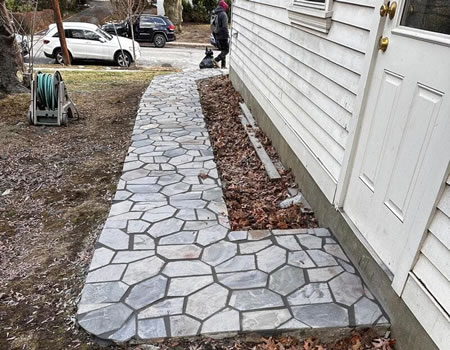
If you’ve ever looked at your old concrete patio or driveway and wished it had more charm, you’re not alone. Concrete is practical, but it doesn’t always feel inviting due to its plain appearance. Pavers, on the other hand, can instantly transform a plain slab into something stylish and durable. That brings us to the big question: can you install pavers over existing concrete?
The short answer is yes, you can. But it’s not as simple as dropping them on top and calling it a day. There are a few important things to know before you start, and if you get them right, you can give your outdoor space a fresh new look without ripping up the old concrete.
Let’s walk through what you need to know, step by step.
Concrete Condition Matters
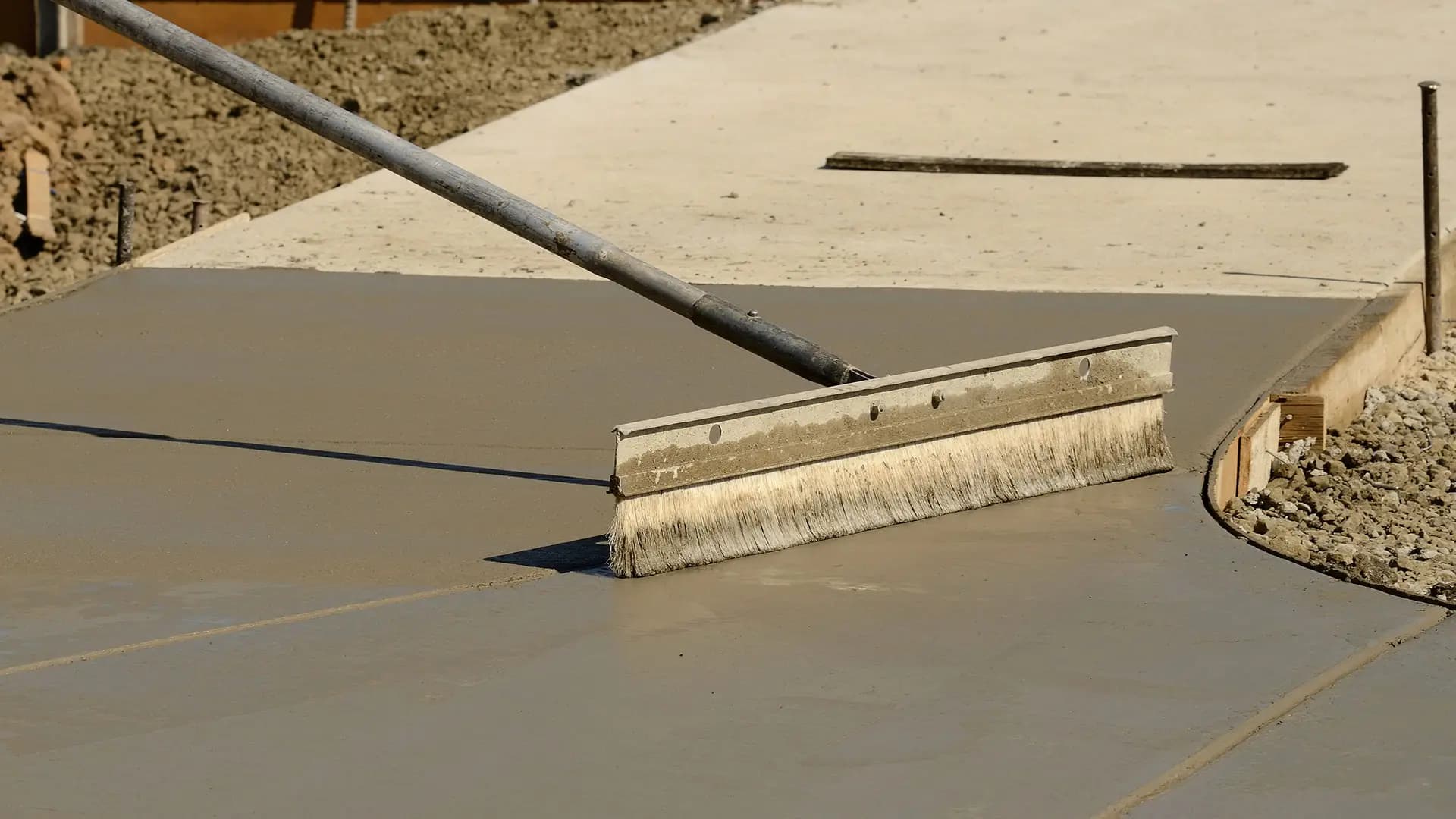
Before you think about laying a single paver, take a good look at the concrete you’re working with. Pavers rely on a stable, solid base. If the slab underneath is cracked, crumbling, or uneven, those same problems will show up in your new paver surface sooner or later.
Concrete that’s structurally sound, relatively smooth, and free of major cracks is the best candidate for an overlay. Minor hairline cracks aren’t usually a deal-breaker, but deep cracks, lifted slabs, or areas that wobble underfoot are red flags. If that’s what you’re dealing with, it may be better to remove the slab and start fresh.
What to check before installing pavers:
- Look for large cracks that run across the slab.
- Step on different spots: does the concrete feel stable, or does it rock or shift?
- Check for low areas where water pools after it rains.
If your slab passes this test, you’re good to move forward. It’s a smart approach to inspect professionally and get them prepared by concrete experts before going to the next step.
The Height Issue
One thing many people overlook when installing pavers over concrete is the added height. A layer of sand plus the pavers themselves will usually add about an inch to two inches on top of the existing surface. That may not sound like much, but it can make a big difference when it comes to door clearances, steps, or transitions to other areas.
If your patio door barely clears the concrete now, adding pavers could block it from opening. The same goes for garage doors, gates, or even drainage grates. It’s worth measuring carefully before you start to make sure you won’t run into these problems later.
Things to keep in mind about height:
- Measure door clearances before planning the overlay.
- Think about transitions from the paver area to the yard or driveway, will the edge create a tripping hazard?
- If needed, you may have to add a ramp or adjust steps to keep everything safe and accessible.
Drainage Is Key
Concrete surfaces should have a slight slope to let water run away from the house or building. If yours already has proper drainage, adding pavers won’t change that too much. But if the slab is flat or sloping the wrong way, you could be setting yourself up for problems.
Water that sits under pavers can lead to mold, mildew, or even ice buildup in colder months. Worse, it can damage both the concrete and the pavers over time. That’s why it’s important to check drainage first and make sure you’re not trapping water where it shouldn’t be.
Drainage checks before installation:
- Watch where the water goes after a heavy rain. Does it run off, or does it pool in spots?
- Make sure the slab slopes away from doors and walls, not toward them.
- If drainage is poor, consider fixing it before adding pavers, or use a thin drainage layer between the slab and the pavers.
Potential Risks You Should Know
While installing pavers over concrete can save time and money, it’s not always a perfect solution. Being aware of the possible downsides will help you avoid disappointment later.
- Unstable Surface: If the concrete slab has hidden issues, like deep cracks or weak spots, those problems will eventually show through your pavers. The whole surface may shift or settle unevenly.
- Drainage Problems: Poor drainage under pavers can cause water damage, mold growth, and slippery surfaces. It’s especially risky in areas with heavy rainfall or freeze-thaw cycles.
- Tripping Hazards: Even a small increase in height can create a trip hazard if transitions aren’t handled properly. Doors that no longer open smoothly or uneven edges can also be safety issues.
Are Pavers Worth Installing Over Concrete?
So, is it worth installing pavers over existing concrete? The answer depends on your situation. If your slab is stable, has good drainage, and you’re mindful of height issues, an overlay can be a great way to upgrade your outdoor space without tearing everything out. It’s faster, often cheaper, and gives you that stylish paver look with less hassle.
But if your concrete is cracked, sinking, or causing drainage issues, it’s better to address those problems first by getting a pro. Sometimes the best long-term investment is removing the old slab and building a proper base for your pavers from scratch.
Conclusion
Concrete might be tough, but it doesn’t have to be the final word on how your patio or driveway looks. With the right prep work, installing pavers over existing concrete is not only possible but can completely transform a plain slab into a space that feels warm, welcoming, and designed to last.
The key is to be realistic about the condition of your concrete and thoughtful about details like height and drainage. If you get those right, the project can give you years of use and a big boost in curb appeal, all without the mess of demolition.
The durability of your pavers depends on the strength of the concrete below. Get in touch with us today for expert concrete inspection and repair services.
Ready for Peace of Mind? Schedule an On-Site Consultation With Our Estimator Today!