How Cracks in Lintels Can Lead to Structural Issues
Have you ever noticed small cracks forming above your windows or doors and wondered if they really matter? It might look like just another minor home issue, but those cracks could be warning signs of something serious: a damaged lintel.
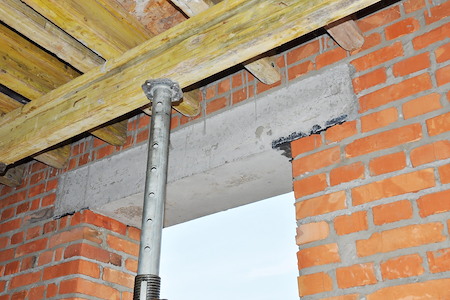
A lintel is the horizontal beam that sits right above doors and windows. Its job is to carry the weight of the wall above and spread it evenly on both sides. When that lintel starts to crack, it can affect the entire wall's strength, cause sagging bricks, or even lead to partial collapse if ignored for too long.
Here is how your masonry structures can collapse due to lintel cracks.
Weight and Stress
Every lintel is designed to hold up a lot of weight from the structure above it. But over time, that pressure can become too much, especially if the lintel weakens or the materials shift.
When a lintel cracks, it's like a bridge starting to buckle under too much load. The weight above doesn't disappear, it just gets transferred to the bricks and mortar around it. This extra stress causes the brickwork to crack, sag, or buldge.
If you notice a curve or dip forming over a door or window, it's your home's way of saying, "Hey, I need some help here!".
Corrosion and Expansion
If your lintel is made of steel or reinforced concrete, corrosion is one of its biggest enemies. When steel rusts, it expands, just like how water turns to ice and pushes outward in winter.
This expanding rust forces the surrounding material apart, causing cracks that spread and deepen. The more the steel rusts, the weaker your lintel becomes, and the more visible the damage gets on your walls.
You might even see brown or orange stains on the bricks, like a clear sign that moisture is making the steel underneath rust and swell.
Water Infiltration
Water can sneak into even the smallest cracks, and once it's in, it starts to cause trouble.
Moisture trapped inside a lintel can make steel rust faster, concrete crumble, or timber rot. When this happens, the structure weakens even more. During winter, water inside the cracks can freeze, expand, and make those cracks even bigger.
That's why repairing cracks early and sealing them properly is so important. It's not just about looks, but it's about stopping water from making the problem worse.
Structural Failure
If a cracked lintel is left untreated, the damage doesn't stop, but it grows.
As the lintel loses its ability to hold up the wall, the pressure from above keeps pushing down. Over time, this can cause parts of the wall to shift, bricks to come loose, or, in extreme cases, the wall to partially collapse.
In homes with larger windows, the stress might even crack the glass. It's a dangerous situation that can quickly turn from a small repair job into a costly safety issue.
Sometimes, the damage reaches a point where repair isn't enough. You can read more about when window lintel replacement becomes necessary in our complete guide.
Cascading Effects
A single damaged lintel doesn't just affect one spot, but it can start a chain reaction.
When one lintel fails, the nearby walls or openings are forced to handle extra pressure they weren't designed for. This imbalance can lead to new cracks in nearby sections, turning a small localized problem into a bigger structural concern.
That's why catching and repairing lintel cracks early is so important. It stops the damage from spreading and keeps your home stable and safe.
Warning Signs Indicating Lintel Damage
You don't need to be an engineer to spot the warning signs of lintel trouble. Keep an eye out for:
- Cracks in the brickwork above doors or windows
- Bricks that look sagged or uneven above an opening
- Horizontal cracks right along the lintel
- Rust stains appearing on the wall, especially near steel lintels
- Gaps or separations between bricks and mortar
If you notice one or more of these signs, don't panic, but don't ignore them either.
How to Handle Lintel Cracks
If you see any of these warning signs, it's best to call a professional lintel contractor right away. They can inspect the lintel, find the root cause, and suggest the safest and most cost-effective fix.
In most cases, the long-term solution is to replace or reinforce the damaged lintel. Sometimes, it also involves fixing the issue that caused the damage, like sealing leaks, improving drainage, or stabilizing shifting foundations.
Timely repairs not only prevent the cracks from getting worse but also save you from spending a lot more money later.
Conclusion
Cracks in lintel might seem small at first, but they're warning signs of deeper structural stress. These cracks can lead to sagging walls, water damage, or even major collapses if left untreated.
The good news? Catching the problem early makes a huge difference. A quick inspection and repair can restore your lintel's strength, protect your walls, and keep your home safe and beautiful for years to come. So next time you notice a small crack over your window or door, don't brush it off; think of it as your home's way of asking for a little care.
Don't let small cracks turn into big problems! Get in touch with us for expert lintel repair and lasting masonry solutions.
Ready for Peace of Mind? Schedule an On-Site Consultation With Our Estimator Today!