When Do I Need Window Lintel Replacement?
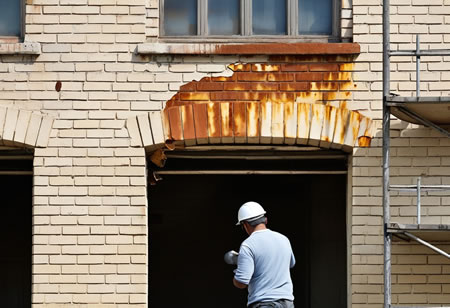
Cracks above your windows. Rust creeping along the edges. Water sneaking in where it shouldn’t. If you’ve spotted any of these, your window lintel might be in trouble, and trust me, this isn’t something you want to ignore. That small beam above your window carries more weight than you think. Once it fails, the damage spreads quickly, and the repairs get costly.
The good news? Getting it fixed doesn’t have to be stressful. Window lintel replacement may sound like a big, complicated job, but with the right professionals, it’s handled safely and efficiently from start to finish.
A failing lintel isn’t just a cosmetic issue. Left unchecked, it can compromise your home’s structure and lead to far more expensive repairs down the road.
The Warning Signs of a Failing Lintel
Spotting the early signs of lintel failure is key to protecting your home. Watch out for these common indicators:
- Cracks in the Bricks or Walls: This is often the first and most obvious sign. If you see cracks running diagonally from the top corners of your windows or doors—or step-like cracks in the mortar—it may mean your lintel is no longer strong enough to hold the wall above.
- Sagging or Bowing: A lintel that is failing may start to sag or bow in the middle. In brick homes, the bricks above the lintel might bulge or push outward, clear evidence that the beam is losing its strength.
- Rust or Corrosion: Older lintels are often made of steel, which rusts over time, especially when exposed to moisture. As steel rusts, it expands, creating pressure on the surrounding masonry. Rust stains on the bricks below your window are a strong sign of corrosion and weakened support.
- Difficulty Opening Windows or Doors: Shifting lintels can distort window or door frames, making them harder to open or close. If you’ve had new windows installed and the same issue keeps coming back, the problem is likely with the lintel, not the window itself.
- Gaps Between the Frame and Wall: As a lintel weakens and shifts, it can pull away from the window or door frame, leaving visible gaps. This means the wall is no longer being evenly supported.
Why Lintel Replacement Is Non-Negotiable
Most homeowners never think about lintels until they fail. These beams—made of steel, stone, or concrete, sit quietly above your windows and doors, holding up the wall above.
But when they weaken, the weight shifts in all the wrong ways:
- Cracks appear in walls and mortar.
- Window frames start to sag.
- Water sneaks in, causing dampness and mold.
What starts as a small problem can quickly escalate into a major structural issue if ignored. Replacing a lintel in time prevents dangerous wall movement and saves you from bigger, more expensive repairs later.
How Window Lintel Replacement Works
This isn’t a job for DIY. Why? Because replacing a lintel involves temporarily supporting the wall, carefully removing the damaged beam, and installing a new one without compromising the structure. One mistake could lead to more cracks, leaks, or even wall collapse.
Professional lintel contractors take care of everything, including:
- Assessing the damage and choosing the right replacement material.
- Securing permits (if required).
- Installing the new lintel to meet safety and building standards.
- Restoring the masonry for a seamless finish.
What could take you weeks (with risk of mistakes) is completed by experts in a fraction of the time, and without the stress.
Final Thoughts
If you notice cracks, rust, sagging, or water leaks around your windows, it’s important to act quickly rather than hoping the problem will go away on its own. A failing lintel is not just a cosmetic issue, it can compromise the strength of your walls, affect your windows and doors, and allow water to seep into your home. The longer it’s left untreated, the more the damage spreads, and the higher the repair costs climb.
Don’t wait for small cracks to turn into costly repairs, contact our team today for a professional lintel inspection and replacement. Keep your home safe, secure, and looking its best.
Ready for Peace of Mind? Schedule an On-Site Consultation With Our Estimator Today!