Why Do Tree Roots Cause Sidewalk Damage and What Can Be Done About It?
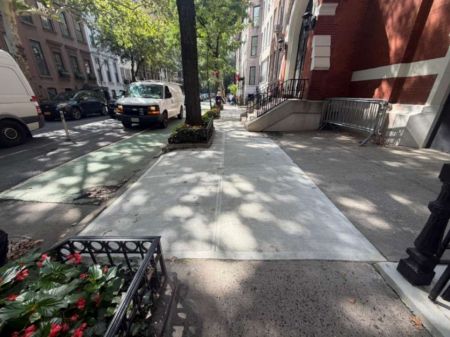
Sidewalk damage from tree roots is a common headache across New York, NY. Between mature street trees, tight planting strips, and changing seasons, slabs can lift, crack, or tilt and create trip hazards. If you are dealing with heaving or a broken walkway, start with a professional assessment and plan repairs that protect the tree and restore safe access. For hands-on fixes and finishing, explore our concrete sidewalk repair options from Eden Roofing & Waterproofing NYC.
How Tree Roots Damage Concrete Sidewalks
Tree roots do not “break” concrete out of spite. They grow toward air, water, and space. Sidewalks create a dry, compacted layer at the surface, so roots often travel just below the slab where oxygen and moisture collect. As roots thicken over time, they press upward on panels, which can lift edges and split seams.
Soils in New York vary from compacted fill in parts of Manhattan to clay pockets in Queens and Staten Island. When roots, moisture, and soil movement combine, the pressure can tilt or raise a panel enough to catch a shoe. Winter freezes and spring thaws add more stress. Water seeps into small cracks, freezes, and expands, which can widen fractures that started from root pressure.
Trees that perform well along streets, like London plane or honey locust, still need room. Where the tree pit is narrow or boxed in by curbs, roots circle and rise. Over decades, this slow motion becomes visible damage that many homeowners first notice near joints or around the edge of the tree pit.
Warning Signs Of Root-Related Sidewalk Damage In New York
Early signs often show up long before a panel becomes a true trip hazard. Watch for these clues during a simple walk-by inspection in neighborhoods like the Upper West Side, Park Slope, Forest Hills, or Riverdale:
- Hairline cracks fanning out from the side of a tree pit or along a score line
- One panel corner sitting higher than the next, even by a half inch
- Gaps opening between slabs after rain followed by warm, dry days
- Raised expansion joints or caulk that keeps popping out
- Surface spalling where thin flakes chip off around a lifted edge
Do not ignore a raised edge that can catch a toe, stroller wheel, or cane. Minor lift can become a liability and a safety risk when foot traffic increases or ice forms in winter.
New York’s freeze-thaw season is hard on small cracks. Sealing and restoring grade before winter usually reduces new damage. Schedule assessments in late summer or early fall so repairs are set and cured before the first hard freeze.
What Makes Sidewalk Damage Worse Over Time
Once a slab shifts, everyday conditions can speed up wear. Rain funnels into the low side and softens the sub-base. Foot traffic hammers the high edge. Snow removal can chip corners if shovels catch. Delivery carts rolling over a lifted joint add impact. Each of these small hits makes the panel more uneven and opens the door for more water and root growth.
Some well-meaning fixes make matters worse. Filling a gap with loose soil gives roots a moist runway. Pouring a thin cap of concrete over a raised slab masks the problem but can fail and break away. Grinding too aggressively on a high edge can reduce thickness so much that the panel loses strength.
Safe, Code-Conscious Ways To Fix A Root-Damaged Sidewalk
Every property and tree is different, so the right approach starts with inspection. A trained crew looks at root direction, slab thickness, and base conditions. The goal is to restore safe grade while protecting the health of the tree and the surrounding walkway. Here are common professional solutions used around New York City homes and small businesses:
- Precision grinding to lower a small lift at the joint and remove the trip edge
- Panel replacement with proper sub-base prep and enough thickness for durability
- Regrading the base to bridge roots without pinching them and to shed water
- Adjusting the layout near a tree pit to create relief space for future growth
- Joint sealing to keep water and grit out of hairline cracks
When replacement is needed, professionals match panel thickness to expected loads, set accurate slopes for drainage, and finish the surface so it provides traction in rain and slush. Crews also work carefully around tree pits to keep soil aerated and avoid unnecessary root cuts.
Never cut large structural roots without expert guidance. Removing major roots can destabilize a mature tree. It can also lead to rapid sucker growth that creates even more surface roots later. Responsible repairs aim to span or accommodate key roots rather than harm them.
If you need a clear path to restore safe access, Eden Roofing & Waterproofing NYC can help you plan the sequence, protect nearby curbs and stoops, and deliver a clean finish that looks right on your block. See how our team handles removals, forming, and finishing on our trip hazard removal and replacement work.
How Pros Balance Trees And Sidewalks
Mature trees cool streets, manage stormwater, and raise curb appeal in places like Brooklyn Heights, Astoria, and the Upper East Side. At the same time, sidewalks must be level, drain well, and support daily traffic. Good outcomes come from small, careful choices:
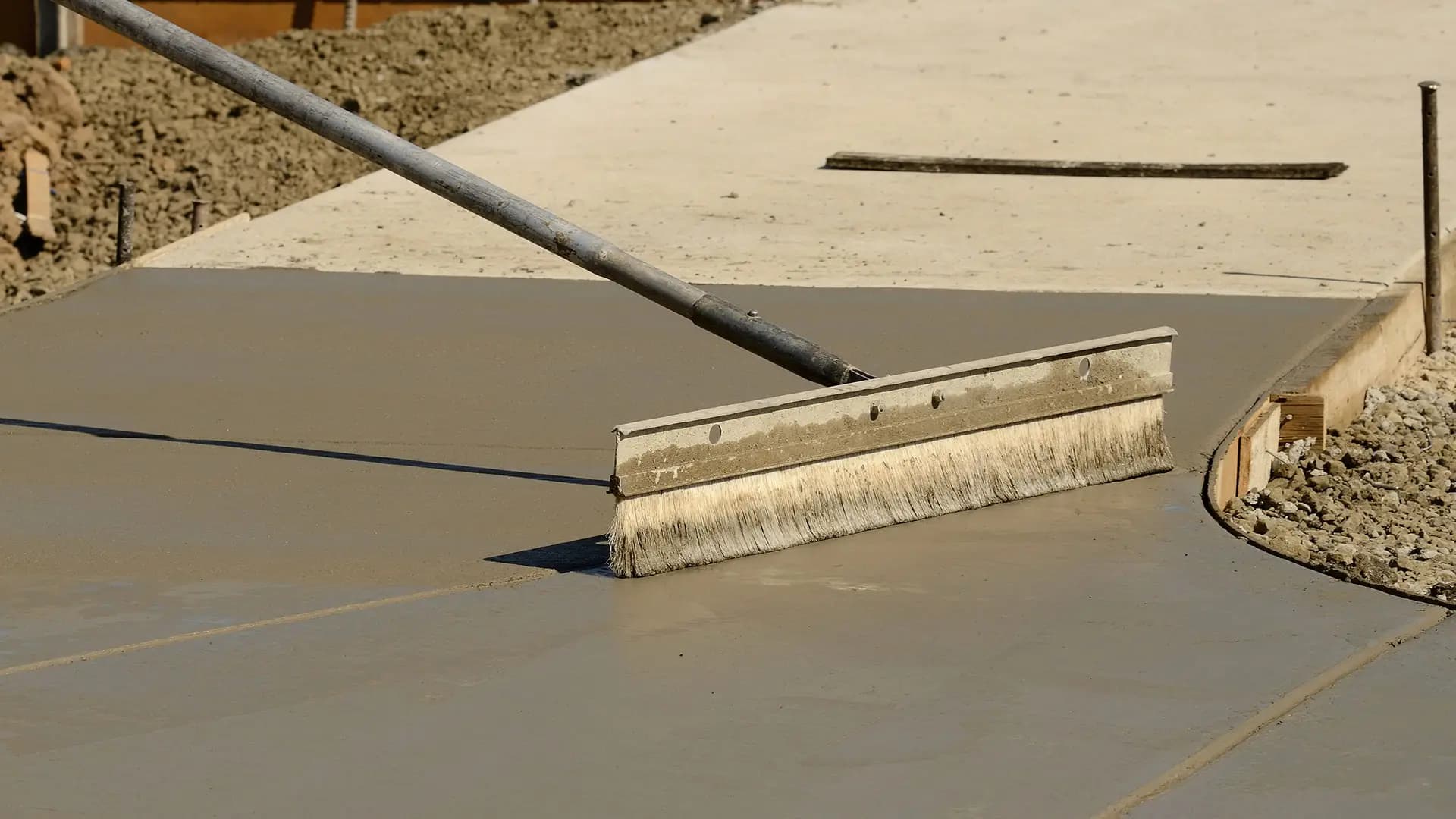
Crews place expansion joints near tree pits so the slab can move a bit without cracking. They compact the base in thin layers so the panel stays flat. They float and broom the surface to a consistent texture so strollers, walkers, and wheelchairs roll smoothly. Details like these matter more on busy corners and narrow frontages.
Homeowners often ask about barriers. Root guidance systems can help when installed early with new trees, but they are not a quick fix for a mature root network. In older blocks with limited space, shaping the panel layout around the pit and setting correct slopes usually gives the best long-term result.
Prevention Strategies For New York Property Owners
Once your walkway is safe and smooth again, a simple routine helps it stay that way. A few practical habits can reduce future root conflicts and water damage:
- Check your sidewalk after heavy summer rains and each spring thaw for new lifts or gaps
- Keep the tree pit mulched to hold moisture so roots do not chase water beneath the slab
- Direct downspouts away from the walk so runoff does not undermine the base
- Use de-icers that are concrete-friendly to limit surface scaling in winter
- Call for an assessment when a corner rises, not after it breaks
Have your sidewalks inspected twice a year, ideally in late spring and early fall. Small repairs made at the right time help you avoid larger fixes later.
If you want a broad overview of causes and solutions, you can always start at our homepage and explore resources on sidewalk damage from tree roots in New York, NY, and other concrete topics. It is a good way to understand how assessment leads to a lasting repair plan before any crew arrives.
Neighborhood Examples And Real-World Conditions
On brownstone blocks in Brooklyn and Harlem, tree pits are often tight and framed by historic stoops. Roots tend to lift the first panel beyond the pit edge. In Queens, wider verges can spread roots farther, so heave shows up as broader but gentler rises across two panels. Staten Island’s freeze-thaw swings can turn hairline cracks into spalls by late winter.
Sidewalks near bus stops, schools, and corner stores see more rolling loads from carts and deliveries. Even a small misalignment can become a rough ride that chips the edge. Along avenues with steady sun and wind, panels dry faster after storms, which limits long-term moisture under the slab. Each block adds its own twist, so tailored repairs make a difference.
Why Professional Sidewalk Repair Matters In New York City
Safe, smooth sidewalks protect neighbors and visitors and help keep daily life flowing. In many cities, including New York, property owners are expected to maintain sidewalks next to their buildings. That means taking action when panels lift or crack and choosing repairs that last through traffic and seasons. A pro team can identify the real cause, not just the symptom, and stage work to minimize disruption.
Professionals also plan for how the area will look and drain years from now. They set consistent slopes that move water toward the street, not toward your steps or basement hatch. They choose mixes and finishes that stay grippy in rain and slush. These small decisions pay off in winter when ice tries to form at low spots and at door thresholds.
To schedule a site visit or assessment, call us at 718-673-4444. We serve homeowners and small businesses across Manhattan, Brooklyn, Queens, and Staten Island, and we plan repairs around your block’s traffic patterns and access needs.
Ready to fix sidewalk damage from tree roots in New York, NY? Contact Eden Roofing & Waterproofing NYC today to get a professional assessment and a clear, safe path for your property.
When you are comparing options, remember that looks and safety go together. A well-graded base, clean joints, and a careful finish keep your walk smooth and attractive for years. If you prefer to see what a complete scope includes from demo to finish, browse our overview of concrete sidewalk repair to understand how the steps come together on typical New York blocks.
Ready for Peace of Mind? Schedule an On-Site Consultation With Our Estimator Today!